Explore the Ecosystem

Discover the Wildlife

Rocky River Nature Park is home to an incredible range of native plants, animals, and wetland habitats. This page gives you an inside look at the species that make this urban ecosystem so special. Explore our documented flora and fauna lists, learn about the park’s rich biodiversity, and share your own observations to help us keep our records growing!

iNaturalist

iNaturalist is a free online platform and mobile app where people record and share observations of plants and animals. It helps users identify species, contribute to scientific research, and support biodiversity conservation through community collaboration.

eBird

eBird is a free online platform created by the Cornell Lab of Ornithology that allows birdwatchers to record and share their sightings.

Documented fauna

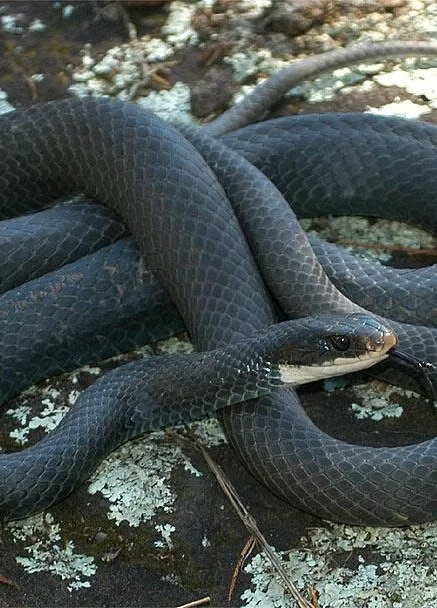
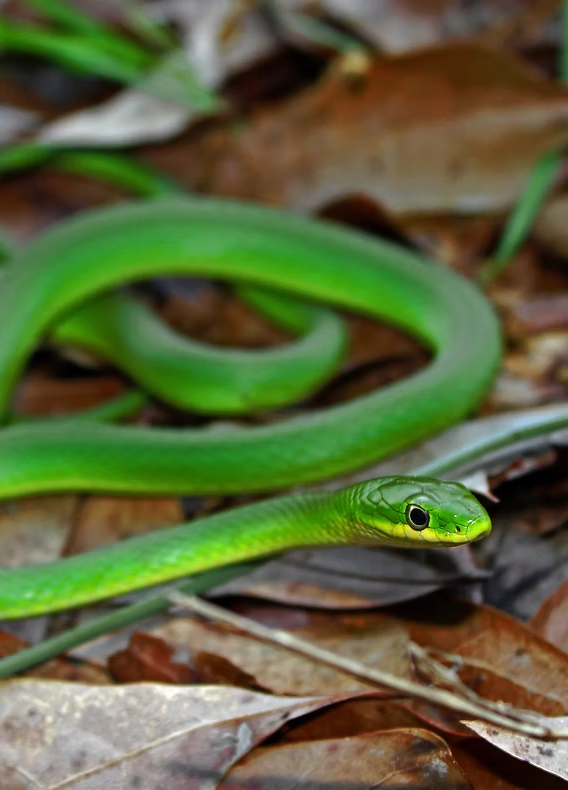
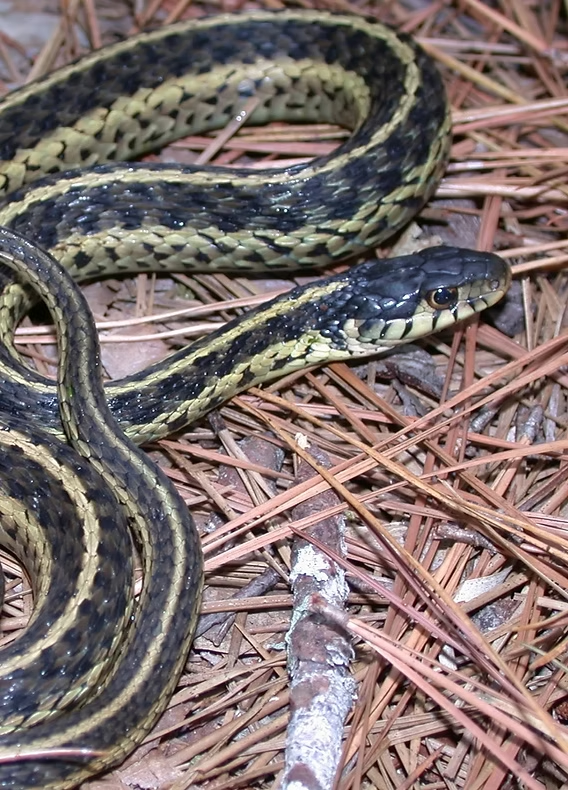
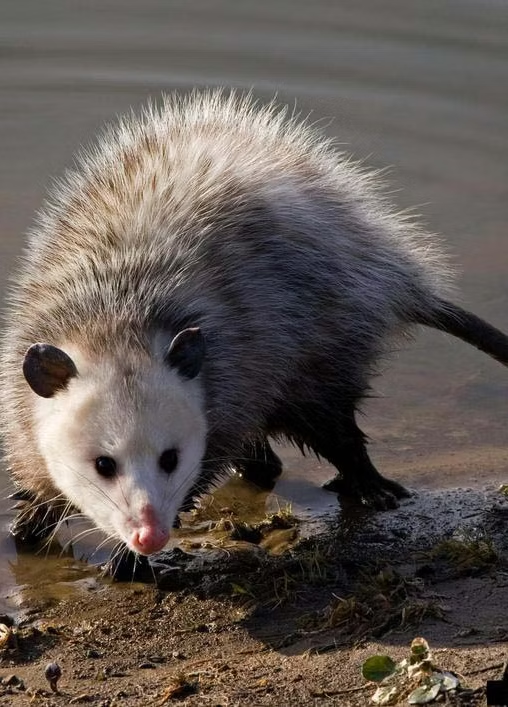
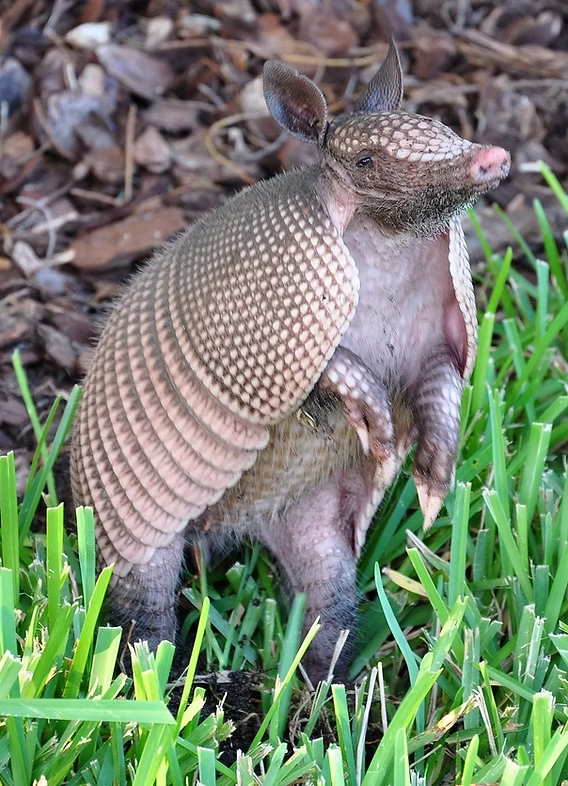
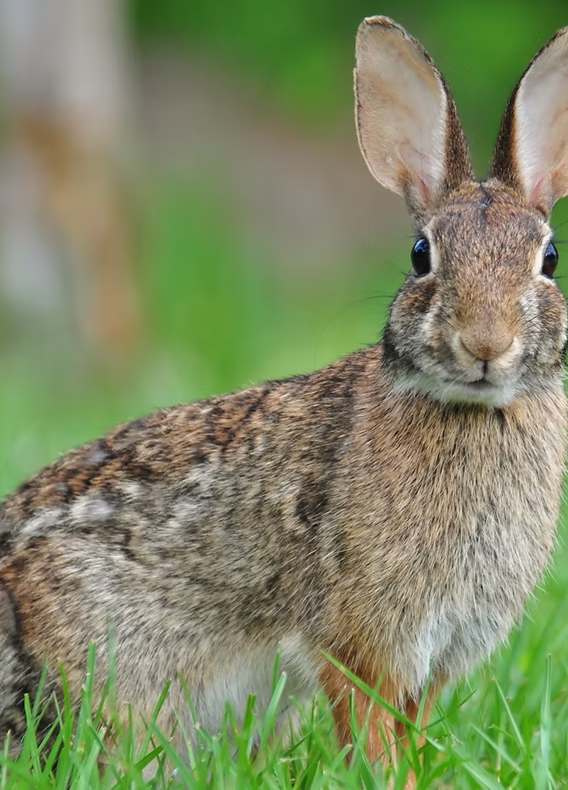
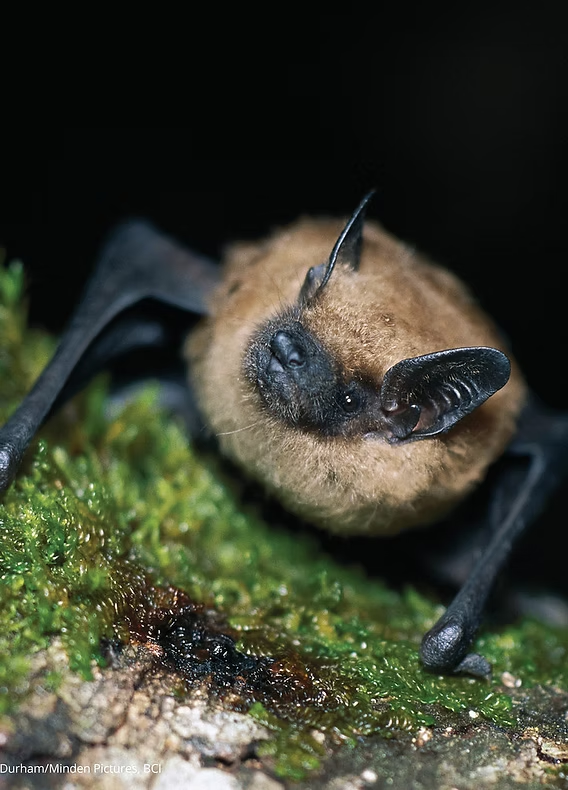
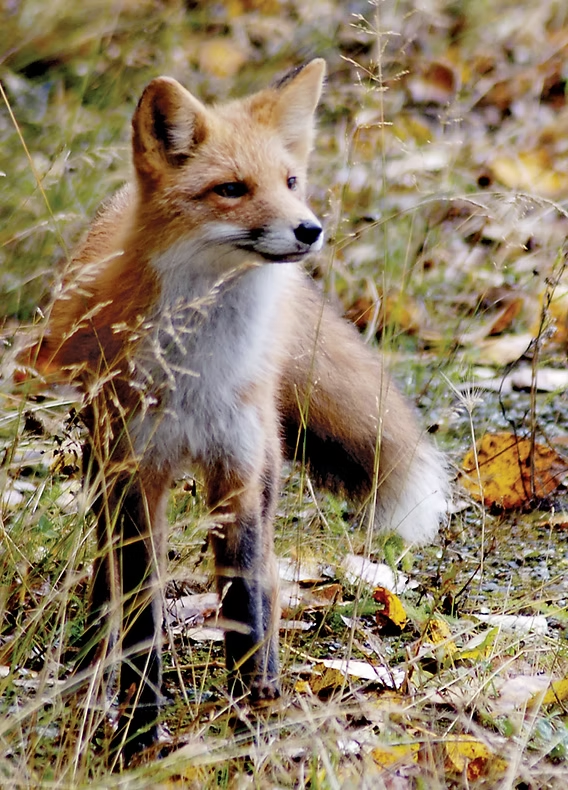
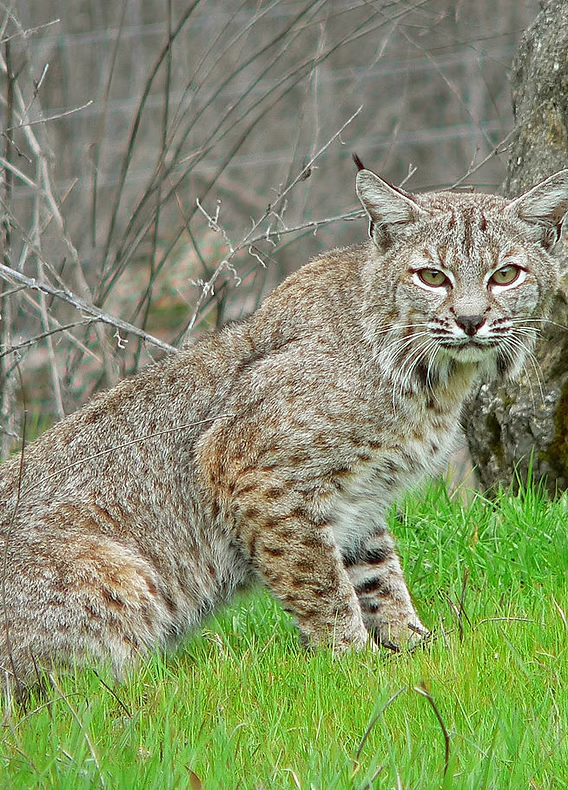
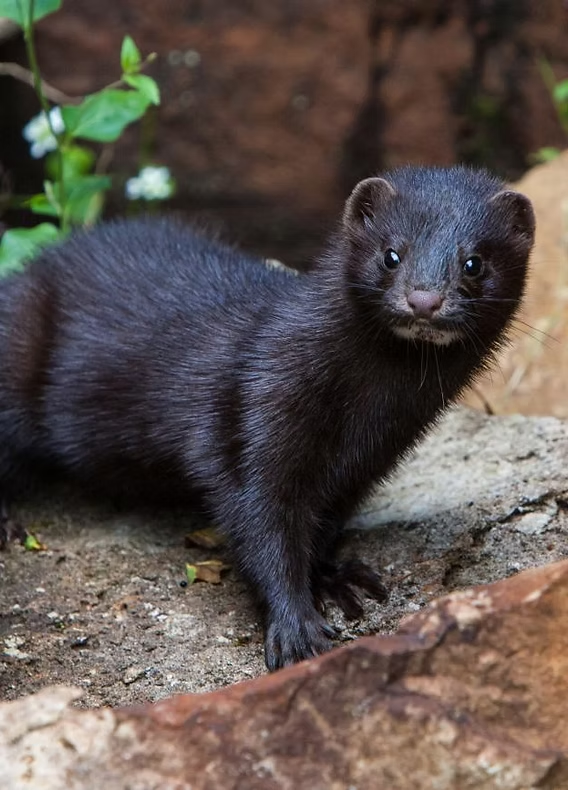
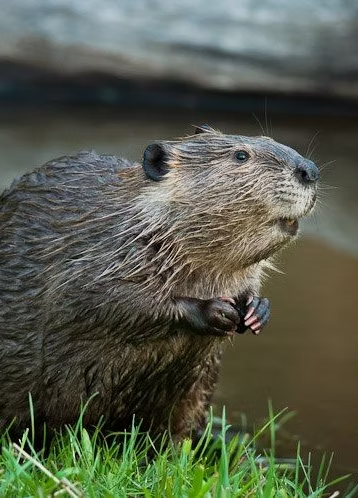
Rocky River Nature Park is home to an incredible range of fauna. From quiet wetlands and shaded forests to flowing river corridors, the park provides habitat for mammals, birds, reptiles, amphibians, and more. As the largest protected urban wetland in Upstate South Carolina, RRNP gives visitors a rare chance to see wild species up close without leaving the city.

Explore the fauna categories below to learn more about the animals that have been identified in the park.

Plant Life

Rocky River Nature Park is home to a diverse collection of native plants that support the health and balance of the entire ecosystem. Wetland grasses, hardwoods, wildflowers, and understory shrubs all work together to provide food, shelter, and habitat for the park’s wildlife. These plants also play a vital role in water filtration, erosion control, and maintaining the natural beauty of the wetlands.

Explore the plant categories below to learn more about the species that have been identified throughout the park.

Sweet Gum

Willow Oak

Tulip Poplar

White Oak, Quercus alba – Widespread, but not on very wet or dry sites

Northern Red Oak, Quercus rubra – Moist to drier upland forests 

Southern Red Oak, Quercus falcata – West and south-facing ridges

Water Oak, Quercus nigra – Moist to drier sites 

Willow Oak, Quercus phellos – Moist sites

Post Oak, Quercus stellata – Drier upland forests

Chestnut Oak, Quercus montana – Drier upland sites

Mockernut Hickory, Carya tomentosa – Moist to dry forests

Pignut Hickory, Carya glabra – Moist to dry forests

American Beech, Fagus grandifolia – Moist forests; shade-tolerant

Eastern Redbud, Cercis canadensis – Moist; understory shade

Tulip Poplar or Tulip Tree, Liriodendron tulipifera – Moist and dry sites; shade intolerant

Sweet Gum, Liquidamber styraciflua – Moist woods

Winged Elm, Ulmus alata – Moist to dry woods

Black Willow, Salix nigra – Along rivers, streams and ponds

Red Maple, Acer rubrum – Widespread – wet to dry sites

Loblolly Pine, Pinus taeda – Moist to dry sites; farmed extensively

Shortleaf Pine, Pinus echinate – Drier forests

Southern Magnolia, Magnolia grandiflora – Moist, well-drained forests

Tag Alder, Alnus serrulate – Alluvial forests

River Birch, Betula nigra – Alluvial forests

Box Elder, Acer negundo – Alluvial forests; moist habitats

Eastern Red Cedar, Juniperus virginiana – Tolerates all but deep shade and standing water

Sourwood, Oxydendrum arboretum – Moist to drier understory tree

Sycamore, Platanus occidentalis – Alluvial forests

Cottonwood, Populus heterophylla – Alluvial forests

Flowering Dogwood, Cornus florida – Moist to dry woods; understory tree

Lowbush Blueberry

Winged Sumac

Horse Sugar

Winged Sumac, Rhus copallinum – Dry sites; edge

Painted Buckeye, Aesculus sylvatica

Horse Sugar or Sweetleaf, Symplocos tinctorial

Lowbush Blueberry, Vaccinium pallidum

Poison Oak, Toxicodendron pubescens

Hairy Bittercress

Wild Violet

Dog Fennel

Hairy Bittercress, Cardamine hirsuta

Bluets, Houstonia caerulea

Henbit, Lamium amplexicaule

Dead Nettle, Lamium purpureum

Chickweed, Stellaria media

Wild Violet, Viola spp.

Purple Vetch, Vicia americana

Green and Gold, Chrysogonum virginianum

Dog Fennel, Eupatorium capillifolium

Giant or River Cane, Arundinaria gigantea – Aluvial forests

Common Greenbrier

Cross Vine

Muscadine

Cross Vine, Bignonia capreolata

Muscadine, Vitis rotundifolia

Poison Ivy, Toxicodendron radicans – Mesic to dry forests; edges

Common Greenbrier, Smilax rotundifolia – Moist to dry forests; edges

Smilax spp. – Moist to dry forests; edges

Ebony Spleenwort

Christmas Fern

Ebony Spleenwort, Asplenium platyneuron – Moist forests

Christmas Fern, Polystichum acrostichoides – Moist to dry forests

Silverthorn

Japanese Honeysuckle

Chinese Privet

Japanese Honeysuckle, Lonicera japonica – Woody vine; edges

Russian Olive, Elaeagnus angustifolia – Shrub, edges

Silverthorn, Elaeagnus pungens – Shrub, edges

Nonnative Wisteria (Chinese or Japanese), Wisteria sinensis; floribunda, Woody vine, edges

Privet (Chinese or Japanese), Ligustrum sinense; japonicum – Shrubs, lowland; upland; edges

Callery or Bradford Pear, Pyrus calleryana – Tree, moist and dry forests, fields, edges

Lizard's Tail

Common Cattail

Smartweeds

Coontail, Ceratophyllum demersum – Floating or loosely rooted

Common Cattail, Typha latifolia – Emergent

Arrowhead, Sagittaria spp. – Emergent

Arrow Arum, Peltandra virginica – Emergent

Pickerelweed, Pontederia cordata – Emergent

Lizard’s Tail, Saururus cernuus – Emergent

Smartweeds, Polygonum spp. – Emergent

Pennyworts, Hydrocotyle spp. – Emergent; alluvial soils

Parrot-feather, Myriophyllum aquaticum – Submergent; rooted; invasive introduction

Common Reed, Phragmites australis – Emergent reed

Sedges, Carex spp. – Emergent

Bulrushes, Scirpus spp. – Emergent

Rushes, Juncus spp. – Emergent